
User Flow

Old Western Screens


New Western Screens
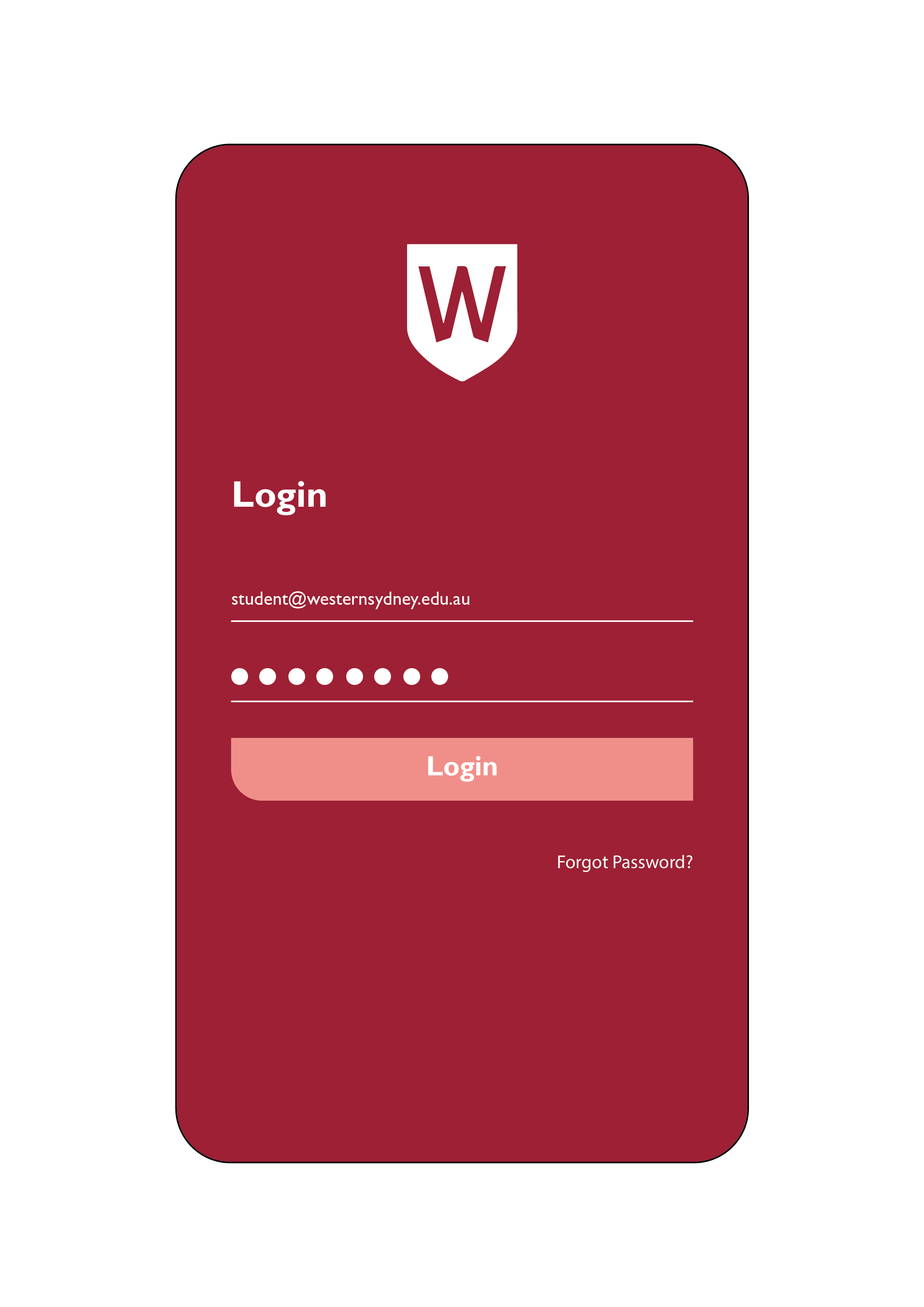


Through-out the years as technology has become more advanced. Designers and developers have had to adapt to these evolutions and future trends. The tools that are used to create the app are more advanced than ever and the layout, design, and function of an app has become more evolved in today’s society. There is a lot of demand for apps that make everyday life easier in some aspects. Whilst there have been new technological advances, there have also been new terminologies created and brand new career titles to facilitate designing mobile apps, but in its essence, the design process remains the same.
Before you start thinking of a design or even drawing up a wireframe, you start with an idea. Anyone can come up with an idea, it could be a designer or perhaps a client, but ideas always come first. Having an idea evolve from the ground up can be more effective for the final result as you can come up with better ideas for it as you progress. As a designer, you want to generate your ideas, challenge them, then revise them.
When going through this process you need to ask yourself these questions.
· Is this idea financially viable?
· Is this idea technically feasible?
· Is someone else already doing this?
· Could this be made simpler/differently?
It is a physical document that officially declares what your apps is described as and what does it do and how does it achieve it. In simple terms, it is a blueprint for your app. Specs are important as it is a breakdown of your overall app. Have your specs short and straight to the point and always list both non-functional and functional requirements.
Wireframes are a sketched layout of how your app demonstrates what interface elements will exist on your pages. This step is important as It helps you understand how your app is put together and structured. By sketching out wireframes you can gain knowledge on how to achieve your main goal by knowing exactly how your target audience goes through your app.
By completing specs and wireframes you’ve shown you’ve made preparations and in the final result that’ll make all the difference.
Prototyping is the step of creating your app to see if your version marks your goals. This is the step where you get early feedback and where you can improve your app. A bad experience with your prototyping might cause you to uncover various issues, allowing you to fix these issues before proceeding to the next stage.
This next stage is all about designing the look of the app. It’s not just about making everything in the app look nice, there also needs to be a consistent and identifiable visual language throughout. Visual design is the opportunity to not only tell a story bu communicate your brand. Great visual design elevates the dull, clarifies the unclear and leaves a lasting impression with the user.
Ideally, the developer has been part of all previous phases. Developers are essential to have during the overall development of your app because they could effectively improve your app by pointing out a feature that a designer might have overlooked. the developer chimes in with his or her experience and comments on the difficulty level of implementing these designs. There is also a discussion in terms of best tools and structures.
I learnt about the technological advancements there have been in the design industry, however the design process has always been the same. Before starting to think of the design or the wireframe you must think of an idea. I learnt the next stages involve wireframing and specs and the importance of those stages. Also the prototype, as it is a crucial step to help you find any issues and fix some bugs. The last steps include visual design and development, there needs to be a consistent and identifiable visa language and developers play an important role of all these stages. A good lesson is once the app is complete it is not final, there are always improvements and visual changes in the future.
When designing for apps, you have to have a deep knowledge of different devices.
New device categories like smartwatches force us as designers to learn new paradigms.
Challenge the way you think
Change the way you work
Lean UX cycles
Think, make, check
Sketching on paper allows designers such as ourselves, to think less of design and to think more on the actual function and flow. This is without distractions by design details such as colors, size, and fonts.
The term “mobile-first” simply means starting with the smaller screen, even if your app will run on both smartphones and tablets, beginning by design for the smaller phone is more effective adapting a larger design to a smaller one.
The design process starts with mobile than a tablet than a laptop than a desktop.
The success of the app depends on the designer and developer working well together to achieve a shared goal.
When designing a mobile app, if your target is the global mobile market you have to have access to at least Android, iOS and Windows phone devices and be familiar with the operating systems.
A useful exercise to understand patterns on operating systems is to download the same app on all operating systems and analyze their distinctions and similarities.
Prototypes help us to evaluate file user testing and apps usability, ideally, you don’t have to wait long until you build your prototype.
With apps, you have to test on a mobile device to see how a user interface will look and function.
It is a digital product that evolves. If there is a problem with the app, the user is always right, detecting problems is an opportunity on how to learn and correct our work, thereby improving it and building an easy to use the app.
I learned that designing apps requires a new way of thinking, I now understand that tablets, smartphones, and watches are separate and distinct devices. Sarah said that sketching on paper allows designers to think less of design and to think more about the actual functions and flow of the app and I think that’s really valuable advice and a helpful approach to learn and take for my future designs.
 jordanapps.home.blog